Practicing Sustainable Design 3: Simple Strategies


In practice, sustainable strategies can vary widely in complexity — from simply adding curtains to reduce sunlight and glare, to calculating consumption and waste over a building’s entire lifespan. Whether you are planning your dream home, designing an intricate museum, or developing a large school campus, simple considerations can have a significant impact on the overall performance of your project.
To conclude our series, we’ll briefly discuss straightforward strategies that apply across different project types. These will help you identify key questions and ideas to bring to the table for your own design.
The Site
Select previously developed areas and avoid greenfields to protect the ecosystem.
Opt for compact development to minimize the project footprint and reduce the heat island effect.
Choose a location with access to civic, commercial, and healthcare services to reduce transportation demand and encourage walkability.
If parking is needed, consider underground or shared options, or reduce the number of spaces below the minimum required to reduce the heat island effect.
Use native vegetation to lower irrigation demands.
Include accessible outdoor spaces to create direct contact with nature.

The Building
Form
Thin building profiles are ideal in hot climates and for daylighting, allowing cross ventilation and even light distribution throughout the day, reducing the need for artificial lighting and air conditioning.
In cold climates, elongate the building along the east–west axis to maximize solar heat gain, reducing the demand for heating.
In hot climates, orient openings perpendicular to prevailing winds to enhance natural ventilation, reducing the need for air conditioning.
Facade, Windows, and Shading
In the U.S., south-facing facades (toward the equinox) receive the most direct sunlight. To prevent overheating, use horizontal shading.
East-facing windows capture bright but cooler morning sun, while west-facing windows experience higher afternoon heat. Combine horizontal and vertical shading for these orientations.
For high-quality natural light in workspaces, use north-facing windows, which provide diffuse, consistent illumination and typically don’t need shading.
Consider extra insulation to keep the building airtight, maintain a stable temperature, and reduce the need for air conditioning and associated costs.
Program
Concentration and work areas perform best opposite the equinox (north-facing in the U.S.) for indirect, balanced daylight —best for your eyes.
Heat-gain spaces, such as sunrooms, are best placed facing the equinox (south-facing).
Primary occupied spaces should be adjacent to the building façade for daylight and views to enhance connection with nature.
Circulation and service areas can be placed toward the core, where exterior access is less critical.
Use storage and non-occupied spaces as acoustic buffers for sound control.

Materials
Location
Prioritize locally sourced materials to minimize carbon emissions from transportation and support the local economy.
Sourcing and Content
Choose materials with verified third-party certifications for sustainable sourcing and content. Just as vitamins are vetted for personal health, choosing materials with verified third-party certifications ensures the safety of building components for both occupants and the natural environment.
Favor recycled-content materials over those made from raw resources.
Pursue zero-waste opportunities, where products can be reused or recycled after their lifespan—sometimes even generating revenue.
Explore site-based or reclaimed materials, which may come at little to no cost.
Fixtures and Equipment
Select certified and rated products, such as WaterSense plumbing fixtures and ENERGY STAR–rated equipment, to ensure efficiency and reliability.
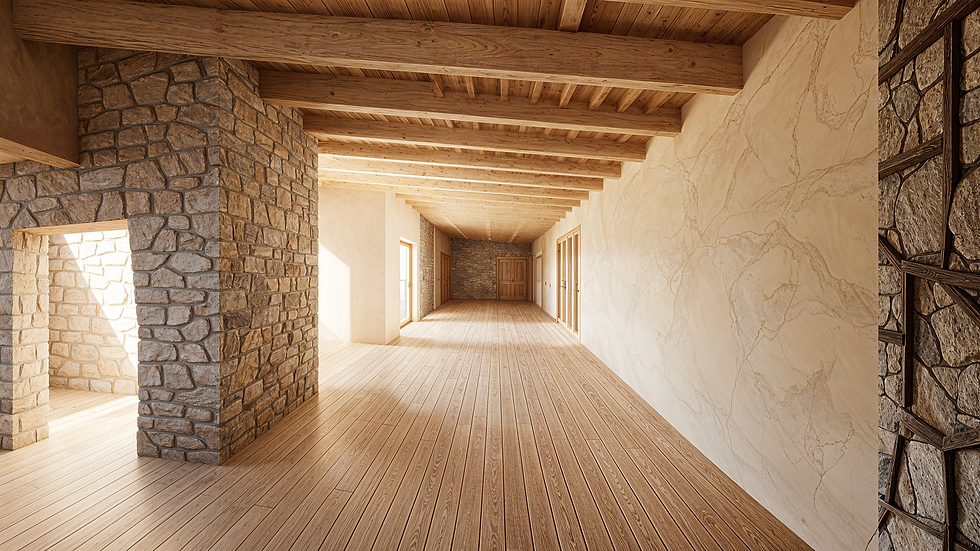
In summary, simple actions can create a more sustainable environment—enhancing human, environmental, and financial well-being for projects, occupants, and communities. Many of these require minimal investment and effectively lower long-term operational costs. Next time you start a project, remember that thoughtful choices can make a lasting difference in the spaces we occupy every day.


Comments